
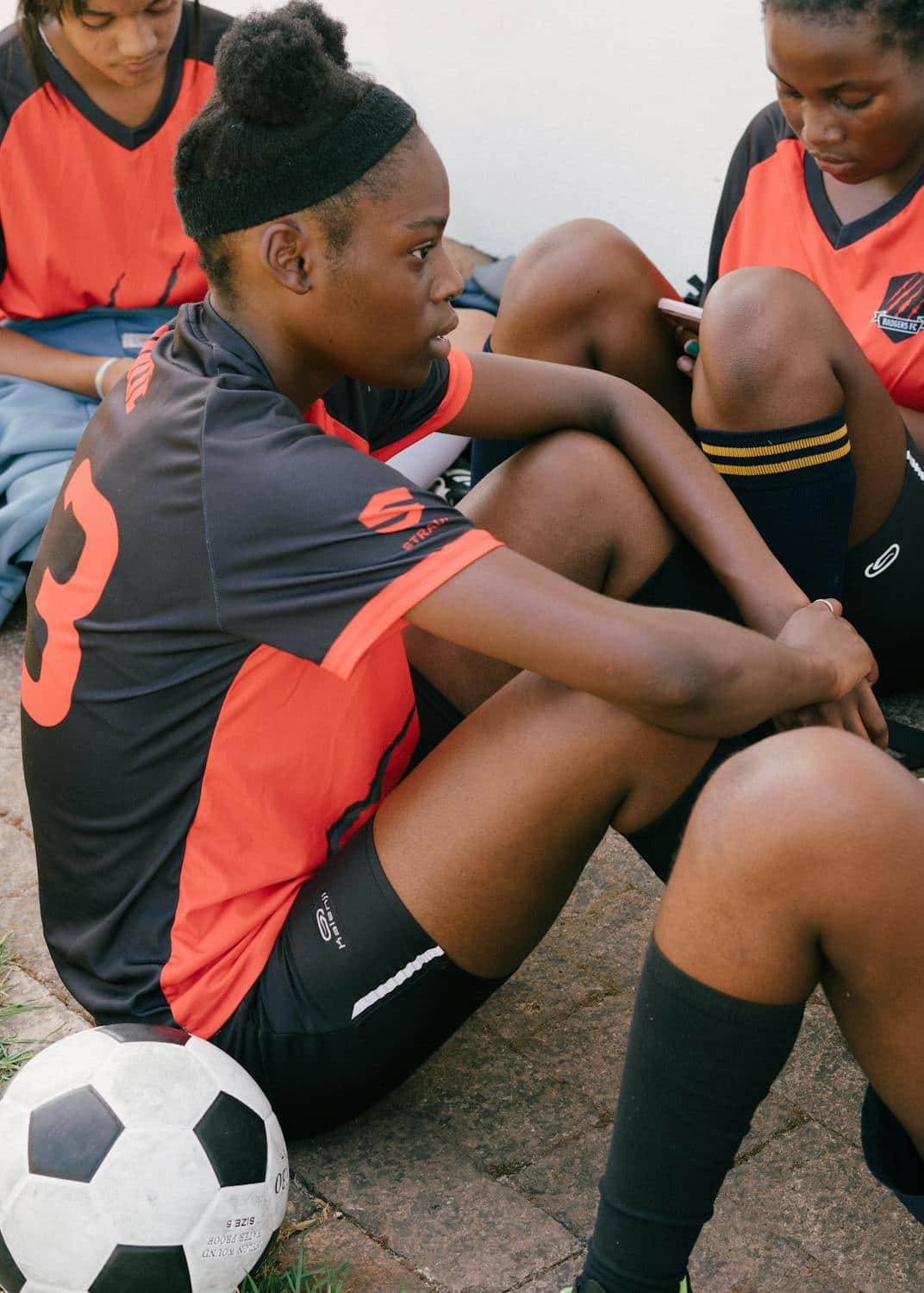
The numbers tell a story that would have seemed impossible just five years ago: sponsorship deals in women’s sports are growing at roughly fifty percent faster than their counterparts in men’s leagues. What was once dismissed as a niche bet has become the most compelling growth opportunity in the entire sports marketing landscape — and the brands that recognized this early are now sitting on some of the most valuable partnerships in the industry.
The Acceleration Is Real
Women’s sports have entered a phase of exponential growth that shows no signs of plateauing. The WNBA secured a media rights deal estimated to be worth north of two billion dollars over the life of the contract — a figure that represents a staggering increase from its previous agreement. Expansion franchises are launching in cities like Portland, Toronto, and the Bay Area, each commanding valuations that dwarf what existing teams were worth just a few years ago.
The NWSL has followed a similar trajectory. Angel City FC’s valuation surged past estimates that put it approaching the hundreds-of-millions mark, making it one of the most valuable women’s sports franchises on the planet. Bay FC, the expansion club in San Francisco, sold out its inaugural season. Corporate sponsors aren’t just showing up — they’re locking in multi-year commitments.
The Caitlin Clark Effect
It’s impossible to discuss the current boom without acknowledging the Caitlin Clark phenomenon. Her arrival in the WNBA didn’t just boost Indiana Fever attendance — it fundamentally shifted the economics of the entire league. Broadcast ratings surged. Merchandise sales set records. And sponsors who had been sitting on the sideline suddenly found themselves in bidding wars for WNBA inventory.
But reducing this to one player misses the larger trend. Clark accelerated something that was already building. Angel Reese, Paige Bueckers, JuJu Watkins — a generation of athletes is entering professional women’s sports with massive built-in audiences, largely cultivated through social media and collegiate exposure. Brands that once allocated token budgets to women’s sports are now building entire campaigns around these athletes.
Why Brands Are Racing to Lock In Now
The smart money is moving fast, and here’s why: women’s sports sponsorship inventory is still dramatically underpriced relative to the audience it delivers. Consider these dynamics:
- Cost-per-impression in women’s sports remains a fraction of comparable men’s properties
- Audience demographics skew younger and more diverse — exactly what most brands are chasing
- Fan engagement metrics often outperform men’s leagues on a per-viewer basis
- Early partners get category exclusivity before prices inevitably rise
Nike has invested heavily across the women’s sports ecosystem, from WNBA jersey deals to NWSL partnerships to individual athlete endorsements. Other major brands including Google, Ally Financial, and State Farm have made substantial commitments. These aren’t charitable gestures — they’re calculated bets on where attention and cultural relevance are heading.
The Media Multiplier
Media deals are the engine driving everything else. When the WNBA secured its new broadcast agreement with Disney, Amazon, and others, it sent a clear signal: the distribution infrastructure is now being built to match the demand. More broadcasts mean more inventory for sponsors. More inventory means more brands can participate. More brands competing means higher prices across the board.
The NWSL followed suit with its own media rights deal that represented a massive increase over prior terms. Women’s college basketball has become a ratings juggernaut, with NCAA tournament games drawing audiences that rival the men’s tournament in some windows.
What This Means for Sponsorship Strategy
For brands evaluating their sports marketing portfolios, the implications are clear. The window to secure premium women’s sports partnerships at today’s pricing is closing. Platforms like SponsorFlo.ai help brands identify and evaluate these opportunities before the market fully adjusts.
The brands that will benefit most are those approaching women’s sports not as a diversity line item but as a core growth strategy. That means:
- Committing to multi-year deals rather than one-off activations
- Building authentic relationships with athletes and leagues
- Integrating women’s sports into broader marketing campaigns, not siloing them
- Measuring ROI with the same rigor applied to men’s sports investments
The Gap Will Keep Widening
The growth rate differential between men’s and women’s sports sponsorship isn’t a temporary blip — it’s a structural shift. Men’s leagues are mature markets where sponsorship revenue grows incrementally. Women’s leagues are in a high-growth phase where valuations, audiences, and sponsorship dollars are all expanding simultaneously.
For the foreseeable future, women’s sports will continue to outpace men’s in percentage growth. The absolute dollar gap will narrow year over year. And the brands that positioned themselves early will find they’ve secured some of the highest-returning sponsorship assets in all of sports. The question isn’t whether to invest in women’s sports — it’s whether you can afford to wait any longer.