
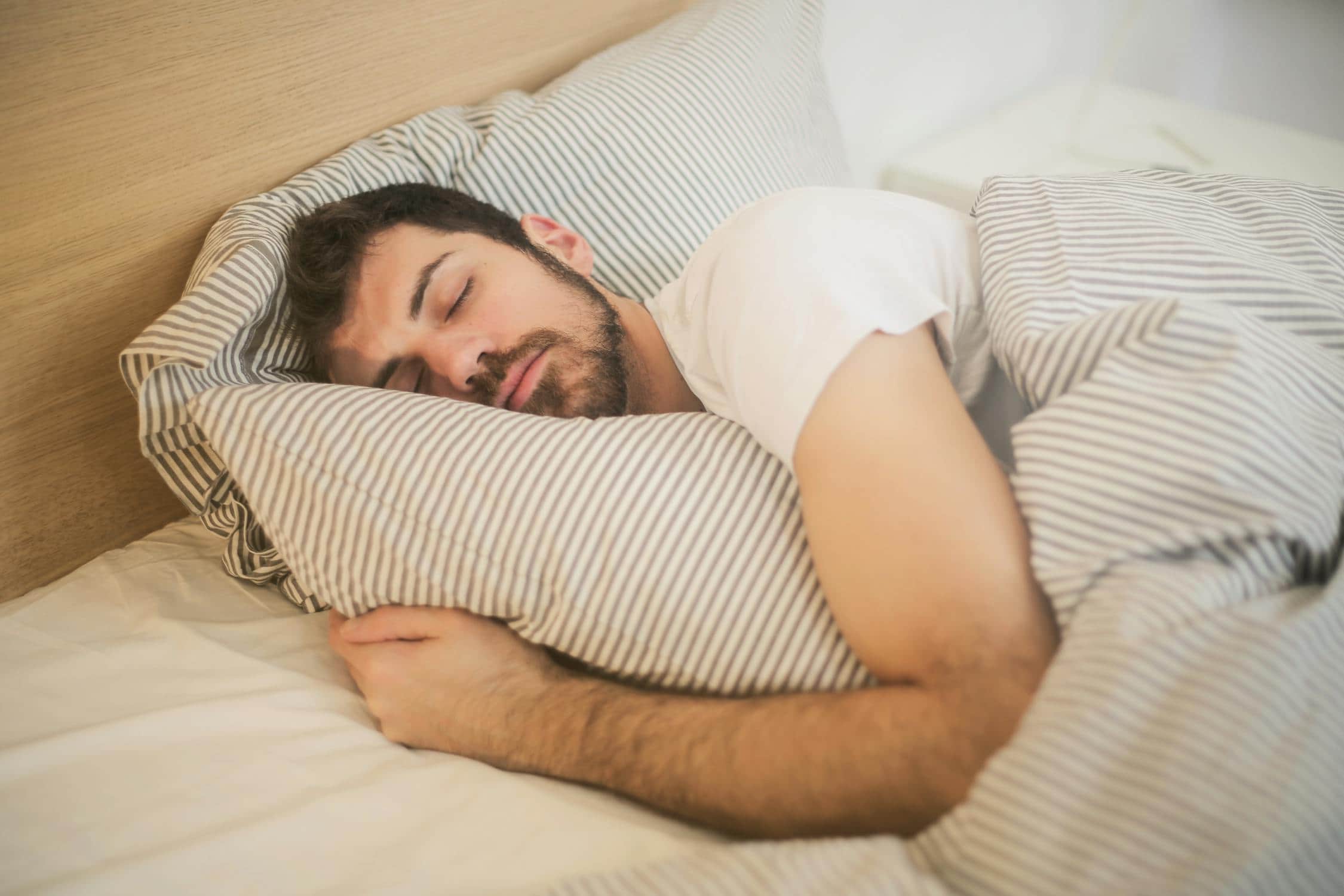
In the last week alone, sleep technology companies have signed deals with an F1 team, two Olympic delegations, and continued their steady climb up sponsorship trending charts. It's not a coincidence — it's a category breakout.
Three Deals, One Signal
Eight Sleep — the smart mattress company backed by over $175M in funding — just partnered with Aston Martin Aramco F1. The deal positions Eight Sleep as a performance tool, not a lifestyle product. Drivers and team members will use the Pod to optimize recovery between races.
Meanwhile, Airweave — the Japanese mattress maker — signed deals with both Team Germany and Italy's Olympic Committee (CONI) for the Milan-Cortina 2026 Winter Olympics. Athletes will sleep on custom Airweave products in the Olympic Village, with branded duvets distributed to the entire German delegation.
Add in Saatva and Sleep Number — both trending in sponsorship databases this week — and you've got a category that's moved from niche to mainstream in under two years.
Why Sleep Tech Fits Sports Sponsorship Perfectly
Most sponsorship categories struggle with authenticity. A beer brand on a jersey is fine, but nobody pretends the athletes are drinking it mid-game. Sleep tech doesn't have that problem.
Elite athletes genuinely obsess over sleep. LeBron James talks about sleeping 10+ hours a night. F1 drivers optimize every variable for reaction time. Olympic athletes peak once every four years and can't afford a bad night's rest. When Eight Sleep sponsors Aston Martin, there's a real product integration — not just a logo swap.
This matters because modern sponsorship valuation increasingly rewards authenticity. Deals where the product is genuinely used by the property — not just displayed — command higher engagement, better earned media, and stronger ROI.
The Market Opportunity
The global sleep technology market is projected to exceed $40 billion by 2028. Companies in the space are well-funded and fighting for market share in an increasingly crowded DTC landscape. Sports sponsorship gives them something digital ads can't: credibility through association with peak human performance.
Consider the unit economics: Eight Sleep's Pod costs $2,000-$4,000. Their target customer is a high-income, health-conscious adult aged 25-45 who follows sports. F1's US audience skews affluent, young, and tech-forward. The audience overlap isn't accidental — it's the entire strategy.
What Rights Holders Should Know
If you're a sports property and you're not actively pitching sleep tech brands, here's what you're missing:
- Category budgets are growing 30-40% year-over-year as these companies scale
- They want product integration, not just signage — which means higher-value, stickier deals
- Olympic and major event sponsorships validate the category for domestic league deals
- Athlete testimonials are genuine — this is one category where influencer marketing actually works
The Bigger Picture
Sleep tech is part of a broader wellness-in-sports trend that includes recovery brands (Hyperice, Therabody), nutrition (AG1, LMNT, Bloom Nutrition), and mental health platforms. Together, these categories represent what might be the single largest new sponsorship vertical of the decade.
The properties that figure out how to package wellness partnerships — combining sleep, recovery, nutrition, and mental performance into integrated deals — will unlock budgets that traditional sponsorship categories can't touch.
Sleep isn't sexy. But in sports sponsorship, it's becoming one of the smartest bets a brand can make.